
Kenya Science Translation Hub Inaugurates Multi-Stakeholder Committee to Drive Research Impact and Policy Translation
The University of Nairobi made history on Tuesday, March 17, 2026 by strengthening the link between research and societal impact following the inauguration of a multi-stakeholder committee under the Division of Research, Innovation and Enterprise (RIE) through the Kenya Science Translation Hub.
The committee, formally launched by Deputy Vice-Chancellor, Research, Innovation and Enterprise, Prof. Leonida Kerubo, brings together representatives from academia, government, research institutions, and industry. Its core mandate is to enhance the translation of research into policy and practice, with a strong focus on food systems and national development priorities.
Speaking during the inauguration, Prof. Thomas Ochuku, Director of Research, expressed optimism about the committee’s formation, noting that the initiative had been revived with renewed momentum. He emphasized the importance of sustaining the effort to ensure tangible outcomes that benefit society.
In her remarks, Prof. Kerubo highlighted a critical gap in the University’s research ecosystem—limited societal impact despite strong academic performance and global rankings. She underscored the need to bridge this gap by fostering commercialization of innovations and ensuring that research outputs inform policy decisions. She further noted that the committee’s multi-sectoral composition positions it well to deliver on this mandate, with support from the University’s leadership.
The committee operates within the framework of the Kenya Science Translation Hub, a collaborative platform designed to foster research uptake, capacity building, and knowledge dissemination for national development. The Hub aims to serve as a nexus connecting research evidence to policy and practice, particularly in addressing food security challenges.
During the inaugural meeting, members of the committee chose their leaders. Dr. Joseph Karugia was appointed Chair of the Committee, Dr. John Gachara, Vice-Chair, Prof. Cecilia Moraa and Agatha Thuo, the Secretaries of the committee and Prof. Richard Onwong’a , resource mobilization.
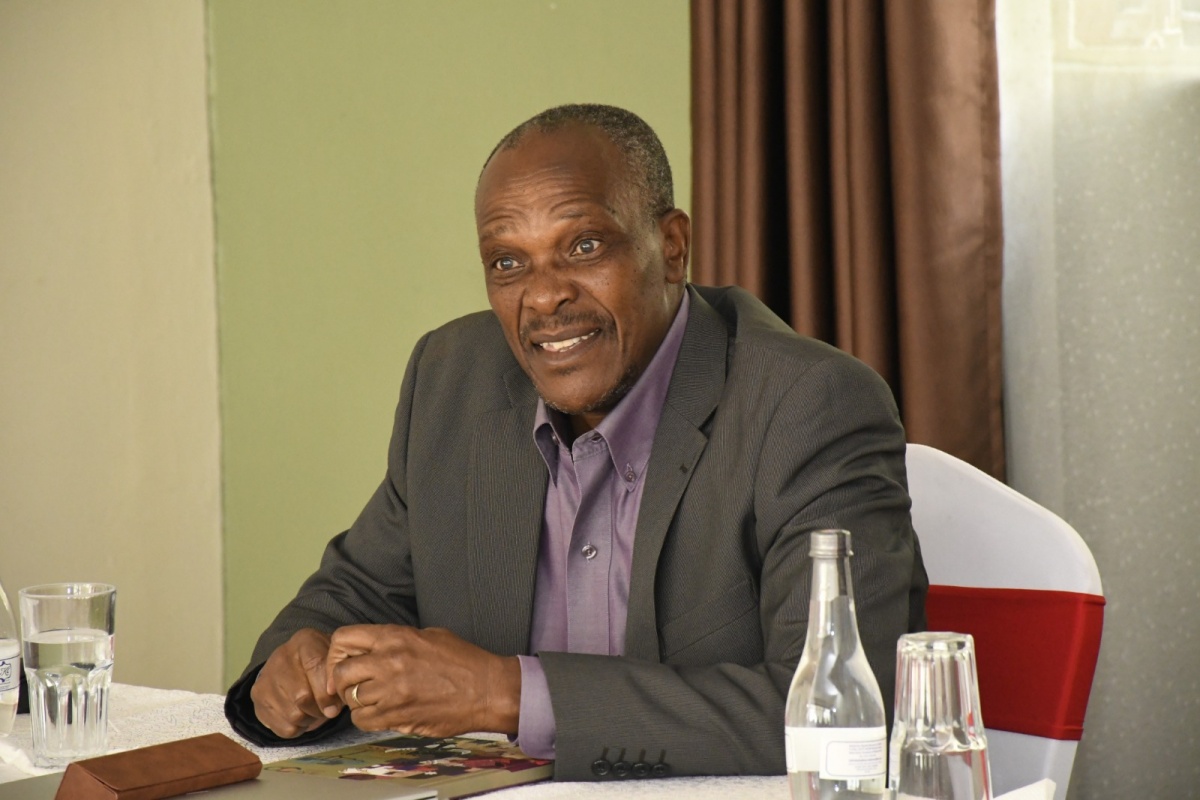
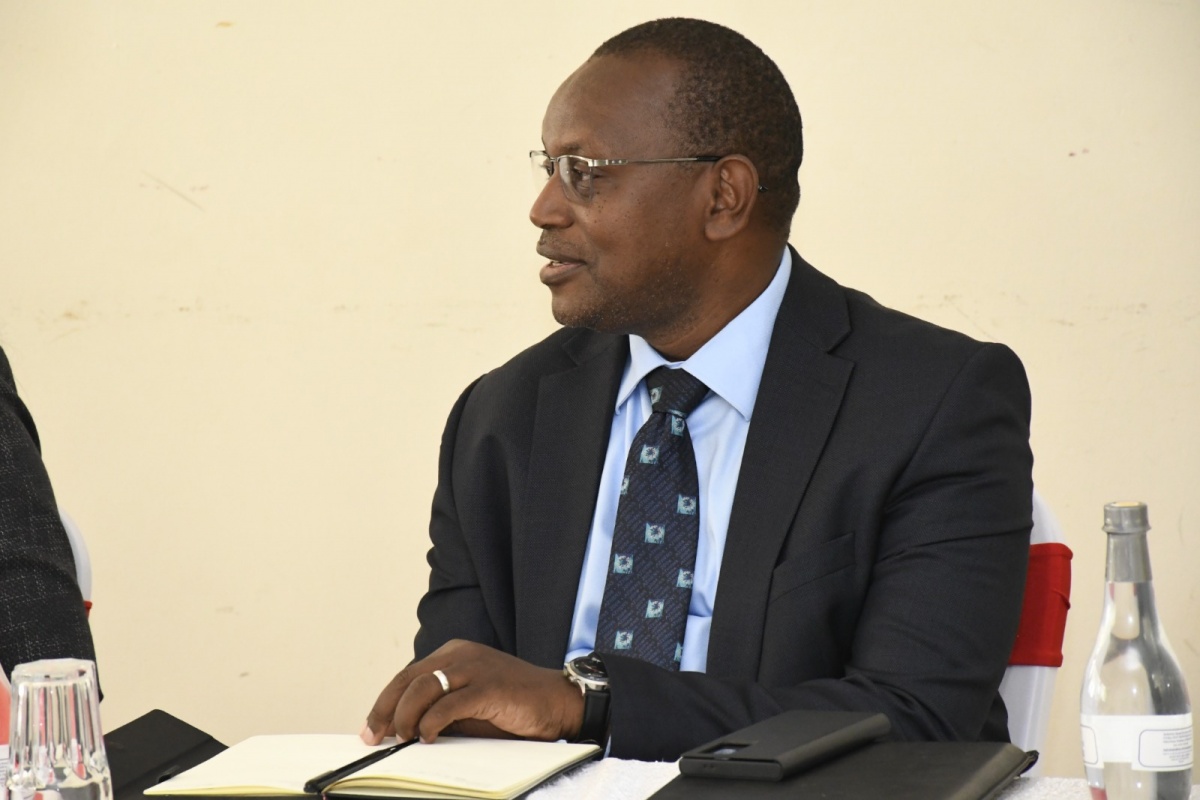
Chairing the committee, Dr. Joseph Karugia emphasized the need to develop clear Terms of Reference (ToR) and a structured roadmap to guide its operations.
A key highlight of the discussions was the urgent need to address the disconnect between research output and real-world challenges. Participants raised critical questions around food insecurity in Kenya, noting that despite significant research activity within universities, the country continues to face recurring crises linked to droughts and floods.
Contributors, including Dr. Alice Murage, pointed out structural barriers such as the lack of dedicated funding for research communication, which limits the visibility and uptake of research findings. The committee also discussed the need to incentivize researchers to produce policy briefs, a key tool in influencing decision-making.
Members emphasized the importance of engaging government stakeholders early in the research process to ensure alignment with national priorities. This includes strengthening collaboration with the Ministry of Agriculture and other policy actors across the value chain. The committee also highlighted the need for comprehensive stakeholder mapping, identifying key partners such as the Council of Governors, private sector associations, civil society, and commodity groups.
In outlining the way forward, the committee agreed on several immediate priorities. These include identifying policy gaps, mapping existing research aligned to those gaps, and building capacity among researchers to effectively engage policymakers. Additionally, the committee will explore sustainable models for institutionalizing policy engagement within universities.
Dr. Karugia emphasized that long-term success will depend on creating systems that continuously build researchers’ capacity and incentivize impact-oriented work. He also highlighted the importance of positioning the committee as a strategic platform for accessing funding and consultancy opportunities related to government priorities.
The next phase will involve co-developing a detailed roadmap and convening a follow-up meeting to refine the committee’s strategy. Notably, members were encouraged to respond to ongoing national calls for input on key areas such as digital agriculture and seed system reforms.
With its strong multi-stakeholder foundation and clear focus on impact, the committee represents a bold step toward ensuring that research at the University of Nairobi not only advances knowledge but also drives meaningful change in society.
